Executive Key Takeaways
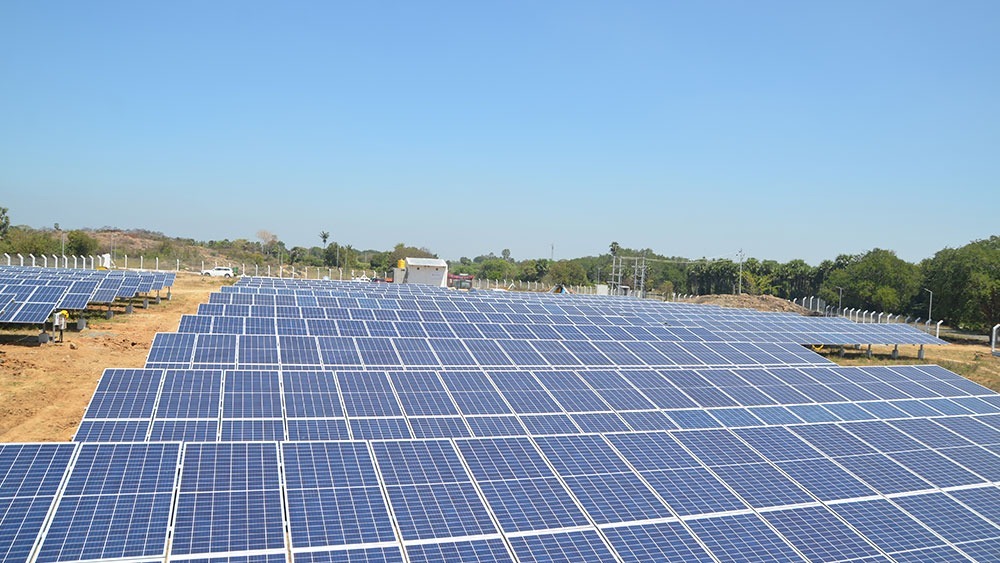
- Net metering allows solar owners to export surplus daytime power to the TANGEDCO grid and consume it at night.
- The approved solar capacity cannot exceed 100% of the customer sanctioned demand/load.
- Bi-directional smart meters record both Import (units taken from grid) and Export (units pushed to grid).
- IVR Energy prepares single-line diagrams (SLD), earthing certification, and manages CEIG/TNEB submissions.
What is Net Metering and How Does It Work in Tamil Nadu?
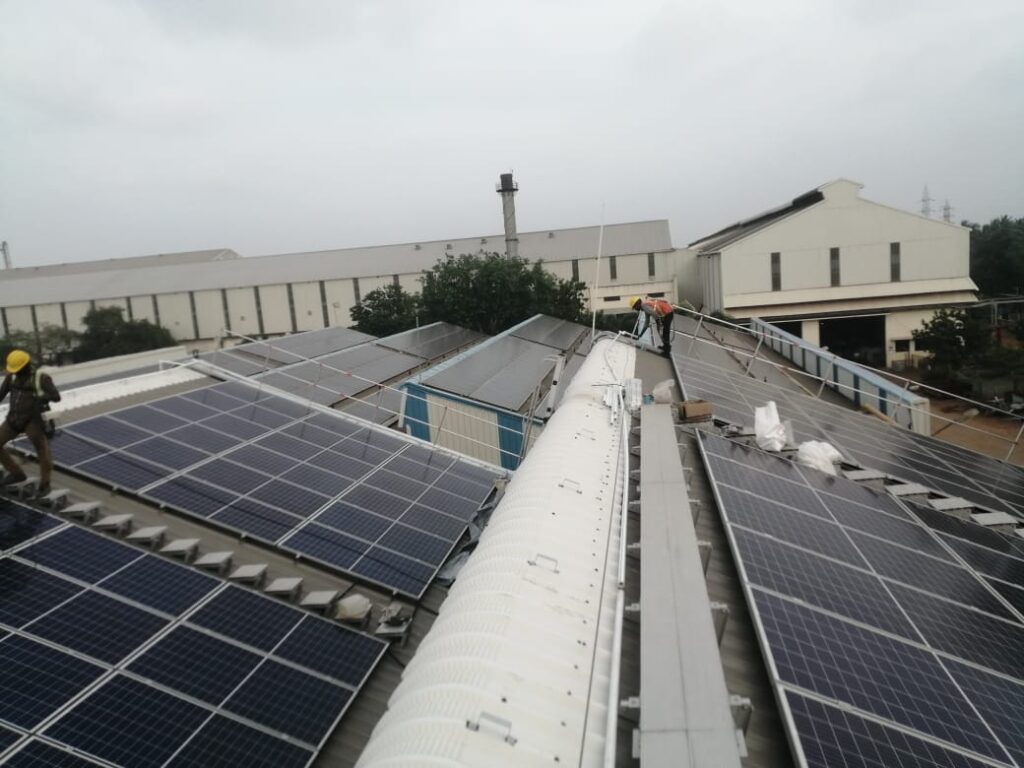
Under TANGEDCO’s Solar Net Metering framework, your solar system is interconnected with the local electricity distribution grid.
During the daytime, your rooftop solar plant powers your appliances first. Any excess energy is automatically pushed into the grid through a specialized bi-directional meter (Net Meter). At night, you draw power from the grid as normal. Your bi-monthly electricity bill reflects only the Net Units consumed (Import minus Export).
Key Eligibility Criteria for TANGEDCO Net Metering
1. Sanctioned Load Match: The proposed solar DC capacity must be within the sanctioned service connection load.
2. Distribution Transformer (DT) Capacity: Total rooftop solar connected to a local distribution transformer should not exceed 75% to 80% of the transformer rating.
3. Approved Inverter Protection: The grid-tie inverter must include automatic anti-islanding, over/under-voltage protection, and fault trip mechanisms conforming to CEA (Central Electricity Authority) Technical Standards.
Required Documents for TANGEDCO Solar Connection
To avoid delays, property owners should keep the following records ready:
- Recent copy of TANGEDCO electricity bill (with paid receipt)
- Property Tax receipt / Ownership deed
- Applicant identity proof (Aadhaar / PAN card / GST certificate)
- Single Line Diagram (SLD) and technical data sheets prepared by certified EPC contractor (IVR Energy)
Written by IVR Grid Compliance Team
Regulatory & Utility Liaison at IVR Energy
Table of Contents
Article Tags
#TANGEDCO#Net Metering#Bi-directional Meter#TNEB#Solar Grid Interconnection
Turnkey Solar EPC
Get a Customized Solar Proposal for Your Rooftop
Connect with our senior engineers for precise 3D shadow analysis, subsidy guidance, and guaranteed turnkey pricing.
Frequently Asked Questions
What happens if I export more solar power than I consume?
Surplus exported units are carried forward across subsequent billing cycles within the settlement period (usually ending March 31st each financial year). Under TNERC guidelines, any unused surplus at year-end may be settled at the approved generic tariff.
Recommended Solar Guides
Continue exploring our industry research and installation playbooks.